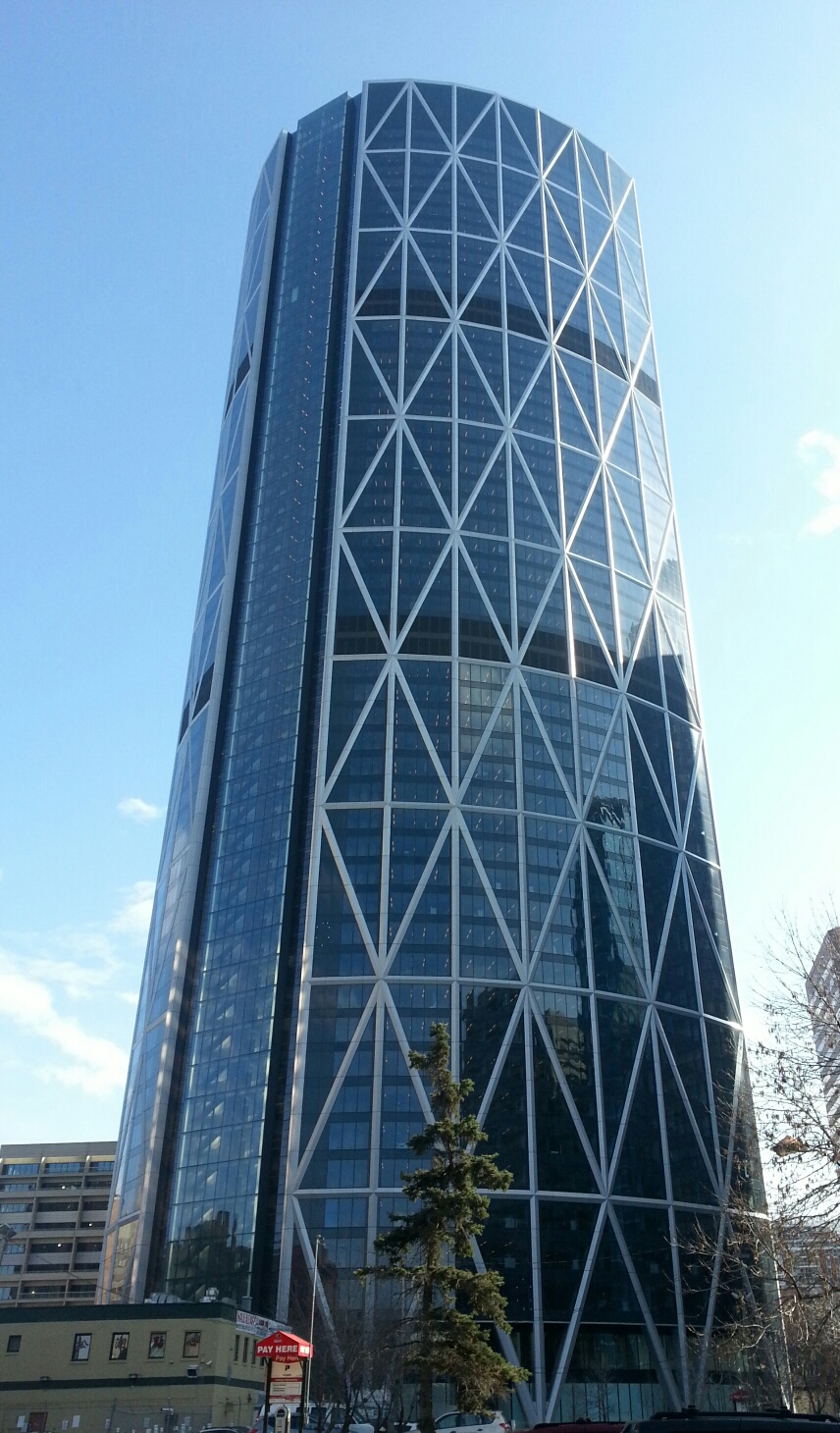

Steel

Steel is an alloy of iron with a varying carbon content (typically around 0.5-1.5%), and can also contain different elements depending on the type of steel desired. Whereas iron on its own is relatively soft and rusts easily, steel is hard, tough, and corrosion resistant.[2] This makes steel an extremely useful material that is used almost everywhere in society, from building skyscrapers and bridges to paperclips and thumbtacks.
There are thousands of types of steel, developed to handle different engineering needs. The most common type one might see in a typical day would be stainless steel, which contains relatively high amounts of chromium and nickel used to achieve a high corrosion resistance while also being easy to polish and sterilize.[3]
Global steel production and consumption
China is the world's largest producer of steel, producing roughly one gigatonne in 2026, roughly half of the world's steel production. That's more than 6 times the amount that the 2nd largest producer, India, put out at 150 million tonnes. [4]
Countries that are building a lot of infrastructure use more steel per person. This steel use is called the apparent consumption of steel which varies from country to country. We can also look at the apparent consumption of steel per capita, meaning kilograms of steel used per person in the year 2014. South Korea had the largest steel consumption per capita, at ~900 kg/person yearly in 2025, more than 4x the global average 215 kg/person. Canada uses more than the average at 330 kg/person yearly.[4]
Energy use for steel
The steel industry is extremely important, driving many economies and providing material for infrastructure all around the world. In 2026, approximately 2 billion tonnes of steel were produced worldwide, which is expected to continue to grow.[5]
Steel helps extract primary energy from the environment and uses a fair amount of energy. Around 18% of the world's industrial energy use goes into the mining, processing and manufacturing of iron and steel products.[6] In terms of the actual energy, it uses about 19 of the 106 exajoules (1 exajoule = 1018 joules) input into the industrial sector each year.
Uses of steel in energy production

Steel is a crucial material in building a reliable energy network. It is used to manufacture:[5]
- Mining equipment
- Equipment for oil and gas extraction
- Transportation devices such as motor vehicles and pipelines
- Transformers
- Generators and electric motors
- Electrical transmission towers and cables
In renewable energy production

Renewable energy technologies also rely on steel for the manufacturing.
- Solar - Steel is used in photovoltaic systems, solar thermal power plants and heat exchangers.
- Hydroelectric - Hydroelectric dams depend on steel for strong reinforcement in order to prevent dam failures.
- Wind - Steel is the primary material used in onshore and offshore wind turbines, used in nearly every part of the turbine.
- Wave and Tidal - In order to withstand the rough marine environment, strong steel components are required in wave and tidal power systems.
Below is a Sankey diagram showing that a significant fraction of the world's industrial total final consumption of energy goes into iron and steel. Change the name of the country to see how this number varies around the world (specifically looking at the OECD vs. non-OECD total is interesting too).
References
- ↑ Wikimedia Commons [Online], Available: https://upload.wikimedia.org/wikipedia/commons/4/45/The_Bow%2C_Calgary%2C_June_2013.jpg
- ↑ Kolb, Doris K.. "Steel." Chemistry: Foundations and Applications. 2004. Encyclopedia.com. (Accessed 14 May 2016). Available: http://www.encyclopedia.com/topic/steel.aspx
- ↑ Explain that stuff!. (Accessed May 14, 2016). Iron and steel [Online], Available: http://www.explainthatstuff.com/ironsteel.html
- ↑ 4.0 4.1 World Steel Association. (Accessed July 14th, 2026). World Steel figures, 2025 [Online], Available: https://worldsteel.org/data/world-steel-in-figures/world-steel-in-figures-2025/
- ↑ 5.0 5.1 World Steel Association. (Accessed May 14, 2016). Energy use in the steel industry [Online], Available: https://www.worldsteel.org/publications/fact-sheets/content/02/text_files/file0/document/fact_energy_2014.pdf
- ↑ IEA (2014), "World energy balances", IEA World Energy Statistics and Balances (database). DOI: http://dx.doi.org/10.1787/data-00512-en (Accessed February 2015)
- ↑ Wikimedia Commons [Online], Available: http://commons.wikimedia.org/wiki/File:Ligne_haute-tension.jpg
- ↑ Wikimedia Commons [Online], Available: http://upload.wikimedia.org/wikipedia/commons/0/0d/Darling_Wind_Farm.jpg